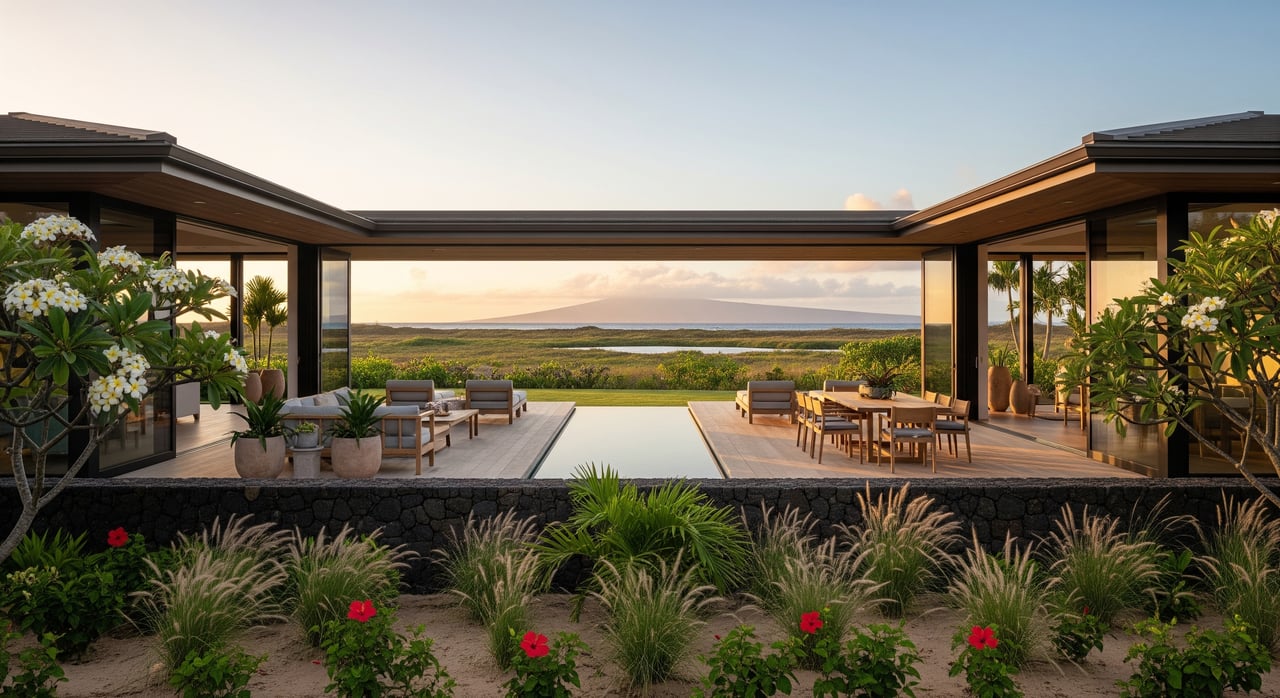
Wondering what day-to-day life looks like in Hoʻopili? If you want new-construction comfort, planned parks, and easy access to West Oʻahu conveniences, this master-planned community is worth a close look. You get a modern neighborhood that is unfolding in phases, which means fresh homes and evolving amenities. In this guide, you’ll learn what to expect for homes, parks, shopping, and getting around so you can decide if Hoʻopili fits your lifestyle. Let’s dive in.
Why Hoʻopili stands out
Hoʻopili is a master-planned community in West Oʻahu within the ʻEwa and Kapolei area. It was designed with homes first, plus neighborhood parks, trails, schools, and future retail woven in over time. Because it is being built in phases, what you see today reflects current construction, with more amenities planned to roll out as the community grows.
If you value modern floor plans, energy-efficient features, and a setting that supports active living, you will likely appreciate the design approach here. The overall plan emphasizes neighborhood connections, green space, and access to regional hubs for shopping and services.
Neighborhood layout and homes
Home types and finishes
You will find a range of new homes across different product types. Typical options in a master-planned community like Hoʻopili include:
- Detached single-family homes on small to medium lots
- Townhomes or duplex-style residences
- Attached condominiums and some multi-family rentals
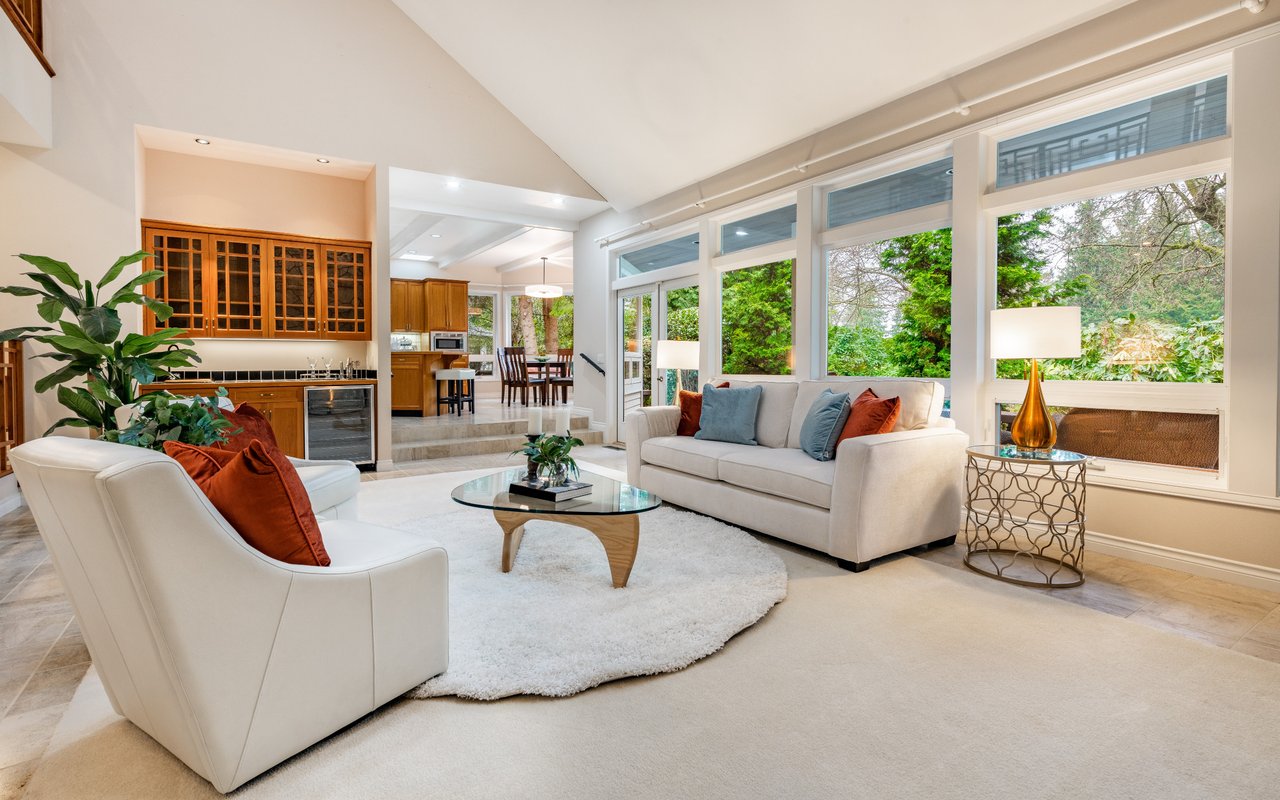
Interiors lean contemporary, with open-concept living, modern kitchens, and energy-efficient appliances. Floor plans vary from starter-friendly layouts to larger family homes, which helps match a variety of budgets and space needs.
Some master-planned communities include affordable or workforce housing programs. If that is important to you, ask for current availability and any eligibility requirements, since program details change over time.
Ownership, HOAs, and community standards
Ownership typically includes both owner-occupied homes and rental options. Most new neighborhoods are governed by homeowner associations. HOA dues often support common-area landscaping, neighborhood parks, and maintenance of shared features. Rules, fees, and inclusions vary by product type, so review the latest documents and ask about any planned assessments, rental policies, and design guidelines before you write an offer.
Parks and everyday amenities
Parks, trails, and open space
Parks and greenways are a core part of the plan. You can expect neighborhood parks, playgrounds, and walking or biking paths that connect different sections of the community. Wetland buffers and native landscaping may be part of the open-space network, supporting both recreation and environmental stewardship.
Because amenities open with each phase, verify which parks and trails are complete now and what is still planned. If you have a favorite routine, like evening walks or playground time, map those spots during your tours.
Community facilities and schools
Master-planned communities often include gathering spaces, community centers, or courts for casual play. Some schools are built within or next to the neighborhood. If school proximity matters to you, review current Hawaii Department of Education zone maps, enrollment details, and any growth plans. Capacity and boundaries can shift as new homes are delivered, so check the latest information as part of your due diligence.
Shopping and dining nearby
On-site retail usually arrives in stages in communities like this. In the meantime, you have easy access to West Oʻahu hubs. Kapolei offers a broad mix of big-box stores, dining, services, and a regional mall at Ka Makana Aliʻi. ʻEwa Beach and surrounding Kapolei corridors add grocery options, local eateries, and everyday conveniences.
When you visit, note where you prefer to shop, how you like to dine out, and which services you use most. That will help you gauge whether current options match your routine while on-site retail continues to grow.
Getting around and commute
Road access and driving
Most residents in West Oʻahu rely on driving for daily travel. Proximity to the H-1 corridor and other main routes is important if you commute to central Honolulu, Pearl Harbor, Joint Base Pearl Harbor–Hickam, or Kapolei employment centers. Travel times vary by time of day and traffic conditions, so test your commute during your preferred hours when you tour.
Bus service and rail progress
Bus routes serve West Oʻahu and typically include stops near major arterials and park-and-ride locations. Honolulu Rail Transit progress continues to shape how residents connect to the broader island. The nearest West Oʻahu stations, such as the East Kapolei area, can influence commute convenience as service phases open. Always check the latest updates on station status, schedules, and parking.
Walking, biking, and daily errands
Neighborhood design encourages walking and biking within parts of the community. Whether you can rely on walking for daily errands depends on which phase you live in and what retail is currently open. If car-light living is a goal, evaluate your specific home location, paths, and the mix of nearby services.
Who fits well here
Hoʻopili appeals to buyers who want new construction, modern layouts, and organized community living. If you are a first-time buyer, the variety of townhomes and smaller single-family plans can be attractive. If you need more space, larger plans and detached homes are part of the mix.
Military and corporate relocators often consider West Oʻahu for its newer housing and access to major routes. If you want a suburban feel with parks and new amenities, this neighborhood tends to check those boxes.
What to verify before you buy
Because master-planned communities evolve quickly, make a short checklist for your tours and conversations:
- Current price ranges and recent comparable sales for each product type
- Active builders, model-home availability, and anticipated release timelines
- Completed parks, playgrounds, and trails versus amenities still planned
- HOA fees, rules, rental policies, and any special assessments
- School zones, enrollment trends, and planned facilities
- Typical drive times to your workplace at peak and off-peak hours
- Local bus routes, the nearest rail station status, and park-and-ride options
- Any construction notices, environmental mitigations, or traffic changes near your preferred homesite
Bring these questions to your showings so you can make a confident decision.
Pros and watchouts
Every neighborhood has tradeoffs. Here are common themes to keep in mind:
- Pros: New-construction quality, contemporary floor plans, planned parks and trails, and proximity to regional West Oʻahu shopping and services.
- Watchouts: Ongoing construction, amenities that may open later than home move-ins, and commute variability based on traffic and rail timelines.
Set expectations around what is ready today and what is still to come, and you will get a clear picture of day-to-day life.
Nearby alternatives to compare
When you are narrowing your search, it helps to compare Hoʻopili with neighboring West Oʻahu communities:
- Kapolei: A larger regional hub with established retail, medical services, and some employment centers, plus more mature infrastructure.
- ʻEwa Beach: Established neighborhoods with different lot sizes and home styles compared with new builds. Offers its own retail corridors and community feel.
These areas can provide helpful context on pricing, commute patterns, neighborhood character, and the tradeoffs between new construction and established communities.
How to start your Hoʻopili search
Tour model homes and finished phases to understand floor plans and finishes. Drive the routes you would use for work, school, and errands. Visit at different times of day to get a feel for activity, parking, and traffic. If you are considering future phases, ask about release schedules and how amenity delivery lines up with your move.
You do not need to navigate this alone. Work with a local advisor who understands West Oʻahu new construction, HOA structures, and relocation timelines. As a Military Relocation Professional with additional credentials in sustainability, diversity, and luxury, I help you compare neighborhoods, align your budget with the right product type, and coordinate the details from contract to close.
Ready to explore homes and get answers to your specific questions? Reach out to Tia Perez for local guidance tailored to your goals.
FAQs
What types of homes are in Hoʻopili?
- You will see a mix of detached single-family homes, townhomes or duplexes, and attached condos, with some rental communities also present.
Are there affordable or workforce homes in Hoʻopili?
- Some master-planned communities include affordable or workforce options, but availability and eligibility change over time, so verify current program details before you shop.
How are the commutes from Hoʻopili to major job centers?
- Most residents drive, and travel times vary by time of day; test your route to central Honolulu, Pearl Harbor, or Kapolei during your usual commute hours when you tour.
What schools serve the Hoʻopili area?
- Schools may be located within or near the community; always check current Hawaii DOE zone maps and enrollment details, since boundaries and capacity can change.
Is shopping convenient near Hoʻopili?
- On-site retail typically opens in phases; for a full range of options today, you can access nearby hubs such as Kapolei, ʻEwa Beach corridors, and the Ka Makana Aliʻi regional mall.
Are HOA fees typical in Hoʻopili?
- HOAs are common in new master-planned neighborhoods; fees and rules vary by product type, so review the latest documents to understand inclusions and any planned assessments.