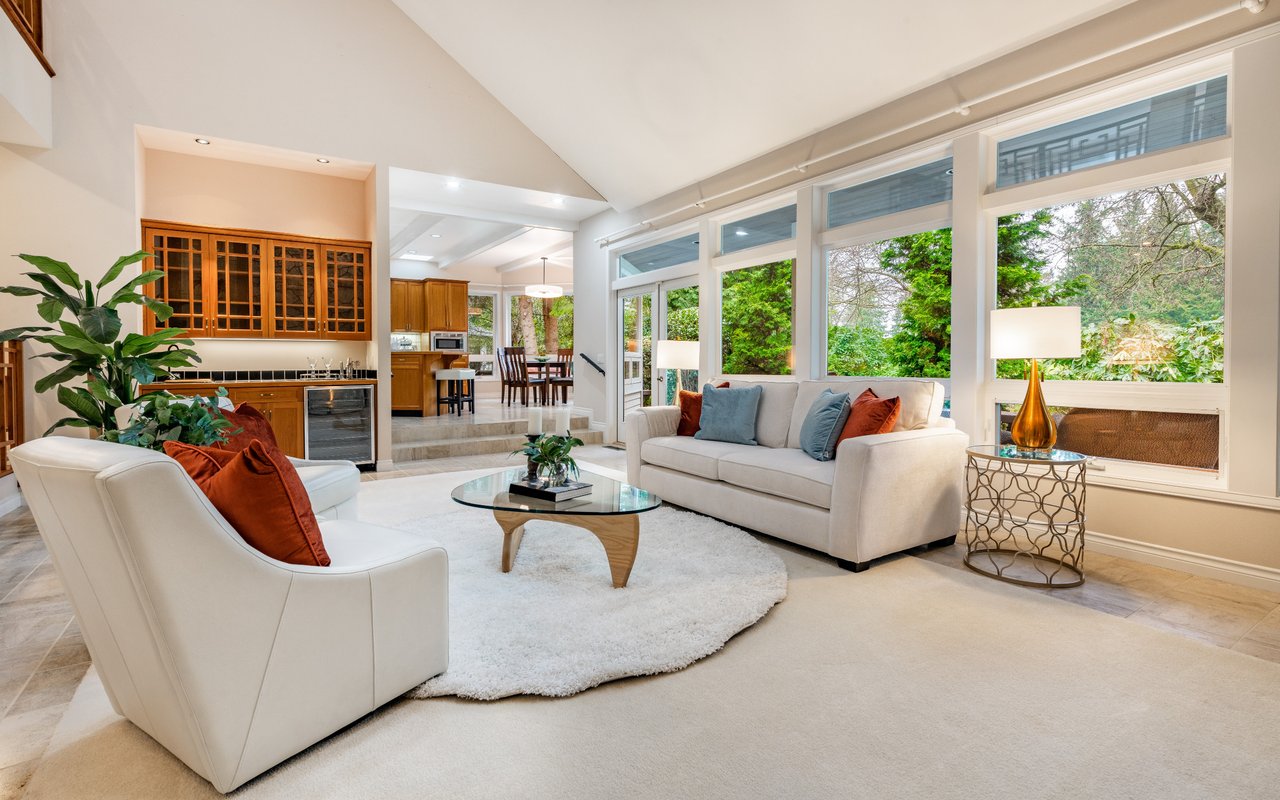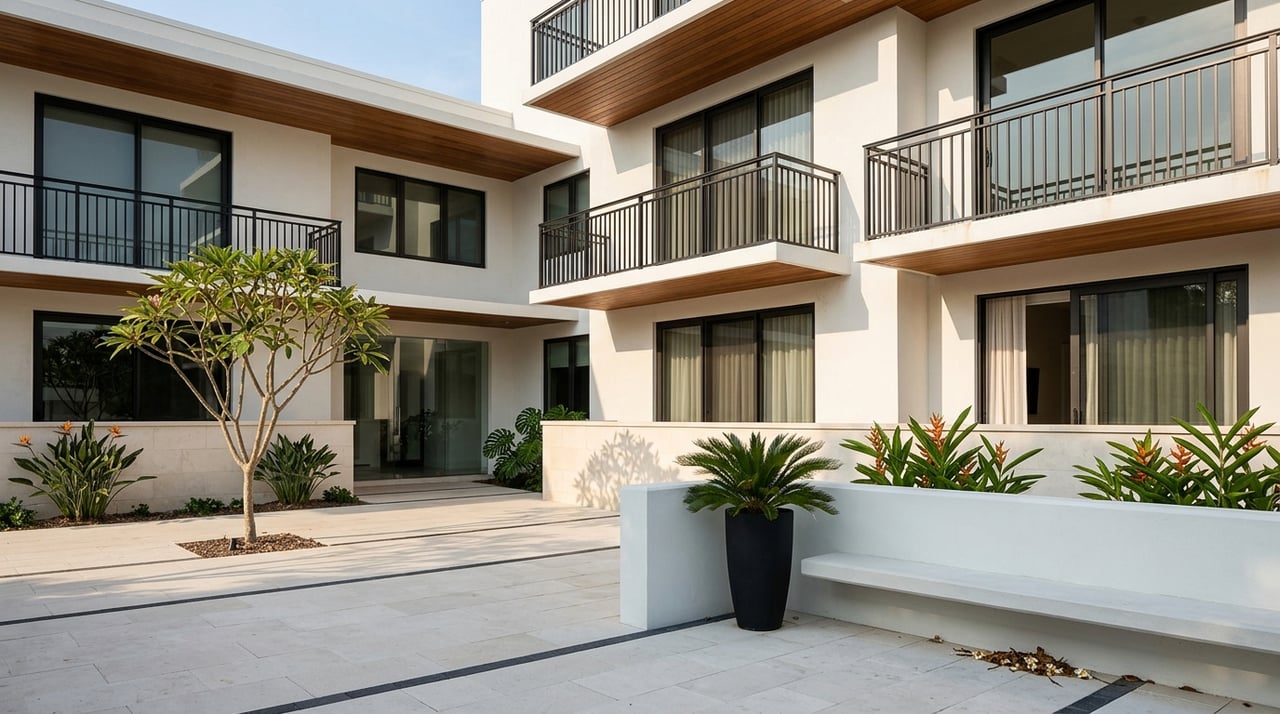
Thinking about investing in Tamuning real estate? You are not alone. For many buyers, Tamuning stands out because it blends residential housing, resort-area activity, airport access, and strong rental interest in one of Guam’s most closely watched markets. If you are weighing condos versus single-family homes, this guide will help you understand where demand comes from, what costs to plan for, and what due diligence matters most before you buy. Let’s dive in.
Why Tamuning Draws Investors
Tamuning is not just one uniform market. According to the 2020 Island Areas Census, the municipality had 18,489 residents and 8,692 housing units in 2020, and the area includes places like Tamuning, Tumon, Upper Tumon, and Harmon Industrial Park. That matters because each subarea can appeal to a different type of renter or buyer.
Guam’s broader housing picture also helps explain investor interest. The U.S. Census summary for Guam reports that 48.0% of occupied housing units were renter-occupied in 2020. At the same time, Guam added only 988 housing units from 2010 to 2020, according to the 2020 Island Areas Census report, which shows why supply continues to be a major issue.
Condos vs. Homes in Tamuning
If you are deciding between a condo and a home, your best option often depends on your investment goals. In Tamuning, the choice is less about which property type is “better” and more about which one fits your budget, target tenant, and management style.
Why condos get attention
Tumon, which sits within Tamuning, is described by Visit The USA as the center of Guam’s tourism industry. Guam also has more than 8,860 hotel rooms and regular flight connections to the U.S., Hawaii, Japan, Korea, the Philippines, Australia, Hong Kong, and Taiwan. That helps explain why condos and furnished units near the resort corridor often attract investors looking at visitor-driven or relocation-related demand.
Condos can also appeal to buyers who want a more streamlined ownership experience. In many buildings, exterior maintenance and common-area upkeep are handled through the association, which can be helpful if you live off-island or want less day-to-day property oversight. Still, that convenience comes with monthly dues and rules that need close review.
Why single-family homes still matter
Tamuning is also part of Guam’s airport corridor. The airport master plan update identifies the airport in the villages of Tamuning and Barrigada, and local geography includes mixed-use areas such as Harmon Industrial Park. In practical terms, that means the market includes more than resort-style condos. You will also find townhouses, apartments, and some detached homes serving a range of housing needs.
Single-family homes may work better if you want more control over the property itself. You may have fewer shared-wall concerns and no condo board, though you still need to confirm zoning, insurance needs, and ongoing maintenance costs. For some buyers, homes also offer more flexibility for long-term occupancy rather than furnished rental use.
Know Tamuning’s Submarkets
One of the smartest things you can do as an investor is avoid treating all of Tamuning the same. The municipality includes several distinct areas, and each may attract a different renter profile or ownership strategy.
Tumon and Upper Tumon
Tumon is closely tied to Guam’s visitor economy, which can shape demand for furnished condos and units near the resort corridor. The rebound in tourism matters here. The Guam Visitors Bureau says Guam finished 2025 with 781,532 visitor arrivals, up 5.8% from 2024.
That does not guarantee returns, but it does support the idea that location near tourism infrastructure can influence rental demand. If you are considering a condo in this area, focus on building rules, insurance, reserve health, and whether short-term rentals are even allowed.
Central Tamuning and mixed-use areas
Other parts of Tamuning may appeal more to residents who want access to employment, shopping, and transportation routes. Because the municipality includes overlapping residential, commercial, and airport-adjacent zones, you may see a wider mix of condos, townhomes, apartments, and detached homes.
This can be good for investors who prefer a broader tenant base rather than relying on one demand source. It also means your due diligence should be hyper-local. Building quality, street access, and property rules may vary significantly from one pocket to another.
Demand Drivers to Watch
A strong investment decision starts with understanding what supports housing demand. In Tamuning, two major drivers stand out: tourism and military-related housing pressure.
Tourism recovery
Visitor activity can support demand for furnished housing in the Tamuning and Tumon corridor. As noted above, the Guam Visitors Bureau reported 781,532 visitor arrivals in 2025. That recovery is one reason condos in resort-adjacent areas remain on many investors’ radar.
Military-related housing demand
Military activity is another major factor. The Civilian-Military Task Force information page says military relocations create housing and public-service impacts, while local planning sources have cited the need for thousands of additional housing units over recent years. The exact estimate varies by source, but the overall message is consistent: housing demand is under pressure.
Navy guidance also notes that Guam housing is competitive because demand comes from both military and civilian populations. For investors, that supports the case for careful property selection in established, accessible areas.
Costs Investors Should Budget For
A property that looks attractive on paper can become less appealing if you underestimate ownership costs. In Guam, that risk is real, especially if you are new to island investing.
Condo fees
If you buy a condo, monthly association dues are part of the picture. The Census defines condo fees as charges for operating, maintenance, administrative, and improvement costs tied to common property, and they may also include some common-area taxes and insurance, according to the technical documentation. Always review what the fee covers and whether reserves appear adequate.
Property taxes
Real property tax is another annual cost to plan for. The Guam tax calendar lists the first installment due February 21 and the second installment due April 21. If you are building a cash-flow model, those dates should be part of your annual planning.
Utilities and operations
Utilities are a meaningful expense on island. Guam’s public assistance information for water and wastewater costs and electricity support shows that these are real household budget items. If you expect to include utilities in rent, or if you are buying a furnished unit, make sure your numbers reflect that.
Insurance and storm readiness
Typhoon exposure should never be treated as a minor line item. Guam’s typhoon condition guidance reinforces that storm preparation is a real ownership issue, and investors should account for insurance, roof and exterior reserves, and storm-hardening costs. This is especially important for older buildings or absentee-owned properties.
Short-Term Rental Rules Matter
If you are considering a vacation-rental strategy, do not assume a unit can legally operate that way. Guam law requires a business tax certificate, annual application, proof of insurance, and a local emergency contact who can respond on Guam. The law also says the unit must comply with zoning rules and any HOA or condo rules, and it defines a short-term vacation rental as lodging for not more than 30 consecutive days under Guam code provisions.
That means your due diligence needs to go beyond the unit itself. You need to verify the building’s governing documents, local compliance steps, and whether the income strategy you want is actually allowed.
Mainland Buyers May Need To Recalibrate
If you are moving capital from the mainland into Guam, it helps to reset your expectations early. Navy housing guidance notes that homes in Guam are generally smaller than those in the contiguous U.S. Lot size, square footage, and storage may feel different than what you are used to.
That does not make the investment less attractive. It simply means that comparing Guam property to mainland assumptions can lead to poor decisions. In island markets, layout, location, condition, and storm resilience often matter just as much as raw square footage.
A Smart Due Diligence Checklist
Before you buy in Tamuning, keep your process focused and practical. A careful review upfront can help you avoid costly surprises later.
What to confirm before closing
- Zoning and permitted use
- HOA or condo association rules
- Insurance requirements and storm exposure
- Monthly dues, reserves, and maintenance obligations
- Utility costs and who pays them
- Property tax timing and treatment
- Lender requirements for condos or investment property
- Local property management options
- Short-term rental compliance, if applicable
The Guam vacation rental code is a useful reminder that rules, taxes, and local response requirements matter. In many cases, the success of your investment comes down less to the listing photo and more to the fine print.
Final Thoughts on Investing in Tamuning
Tamuning offers a compelling mix of condos, homes, tourism-linked demand, and housing pressure tied to broader island dynamics. For some investors, a condo near Tumon may make sense because of location and convenience. For others, a detached home or townhouse in a more residential pocket may be the better long-term fit.
The key is to invest with local context, realistic budgeting, and a clear plan for ownership. If you want guidance that blends island insight with concierge-style support, connect with Tia Perez to talk through your Guam investment goals and next steps.
FAQs
What makes Tamuning, Guam attractive for real estate investing?
- Tamuning offers a mix of residential housing, resort-area condos, airport-corridor access, and demand influenced by both tourism and military activity.
Are condos or homes better investments in Tamuning?
- It depends on your goals, budget, target renter, and management style, since condos may offer convenience while homes may offer more control and flexibility.
What extra costs should investors expect in Tamuning properties?
- You should plan for property taxes, utilities, insurance, storm-related reserves, and condo association dues if you buy a condo.
Can you use a Tamuning condo as a short-term rental?
- Only if the property complies with Guam law, zoning, insurance requirements, and any HOA or condo association rules.
Why is local guidance important when buying in Tamuning, Guam?
- Tamuning includes several submarkets with different property types, rules, and demand drivers, so local insight can help you evaluate fit and avoid costly mistakes.