Wondering how much work it really takes to get your Sea Country home ready to sell? If you want a smooth sale in Waiʻanae, the prep you do before listing can shape everything from buyer interest to your final price. The good news is that with the right plan, you can focus on the updates that matter most, avoid last-minute stress, and move forward with confidence. Let’s dive in.
Start With a Sea Country-Specific Plan
Selling in Sea Country is not just about putting a sign in the yard. It is a planned community in Māʻili on the Waiʻanae coast, and buyers are likely to notice the neighborhood setting, sidewalks, park space, pool, clubhouse, dog park, and overall exterior upkeep as part of their first impression.
Sea Country’s association also states that property changes must be approved by the Design Review Committee. That means your pre-listing plan should include more than paint colors and cleaning. You also want to confirm whether past exterior changes were properly approved and whether any new exterior work may need review before you list.
If your home is in Holomoana or Wailana, there may be additional AOAO rules to check too. Starting early gives you time to sort through these details before buyers begin asking questions.
Know Why Timing Matters
Many sellers focus on how fast a home might sell once it hits the market. In reality, the preparation window is often longer than the active listing window, especially when you need time for repairs, touch-ups, approvals, and professional marketing.
Recent Waiʻanae market data showed a median listing price of $525,000, a median sale price of $478,333, a sale-to-list ratio of 0.979, and a median 76 days on market in March 2026. At the same time, broader Oʻahu data from the Honolulu Board of REALTORS® showed buyers were still active but more selective, with pricing playing a major role in demand.
That mix matters for Sea Country sellers. A home that is well prepared and well priced can stand out, but buyers may move on quickly if the home feels overpriced or unfinished.
Price From Sea Country Comparables
It can be tempting to look at big-picture Oʻahu numbers and assume your home will follow the same pattern. But Sea Country pricing should be based on direct neighborhood comparables rather than Honolulu County averages alone.
That is especially important in a market where buyers are paying close attention to value. The Honolulu Board’s March 2026 report found that sellers received a median 98.6% of original list price, and 26% of single-family sales closed above original asking price. Those numbers show that strong outcomes are possible, but they also reinforce how much pricing strategy matters.
A smart pricing conversation should look at recent Sea Country sales, current competition, condition, upgrades, lot position, and any HOA or AOAO factors that may affect buyer perception. In other words, price is not just a number. It is part of your marketing strategy.
Focus on the Highest-Impact Prep
You do not need to overhaul every room to make your home market-ready. Most sellers benefit most from a focused plan built around presentation, cleanliness, and fixing visible issues.
According to the 2025 NAR staging report, the most common seller prep recommendations included:
- Decluttering
- Whole-home cleaning
- Curb appeal improvements
- Paint touch-ups
- Landscaping
- Minor repairs
- Depersonalizing
- Professional photos
This is good news if you want to be strategic with your time and budget. A calm, clean, well-kept home often does more for buyer appeal than expensive changes that do not match the neighborhood or price point.
Declutter for Photos and Showings
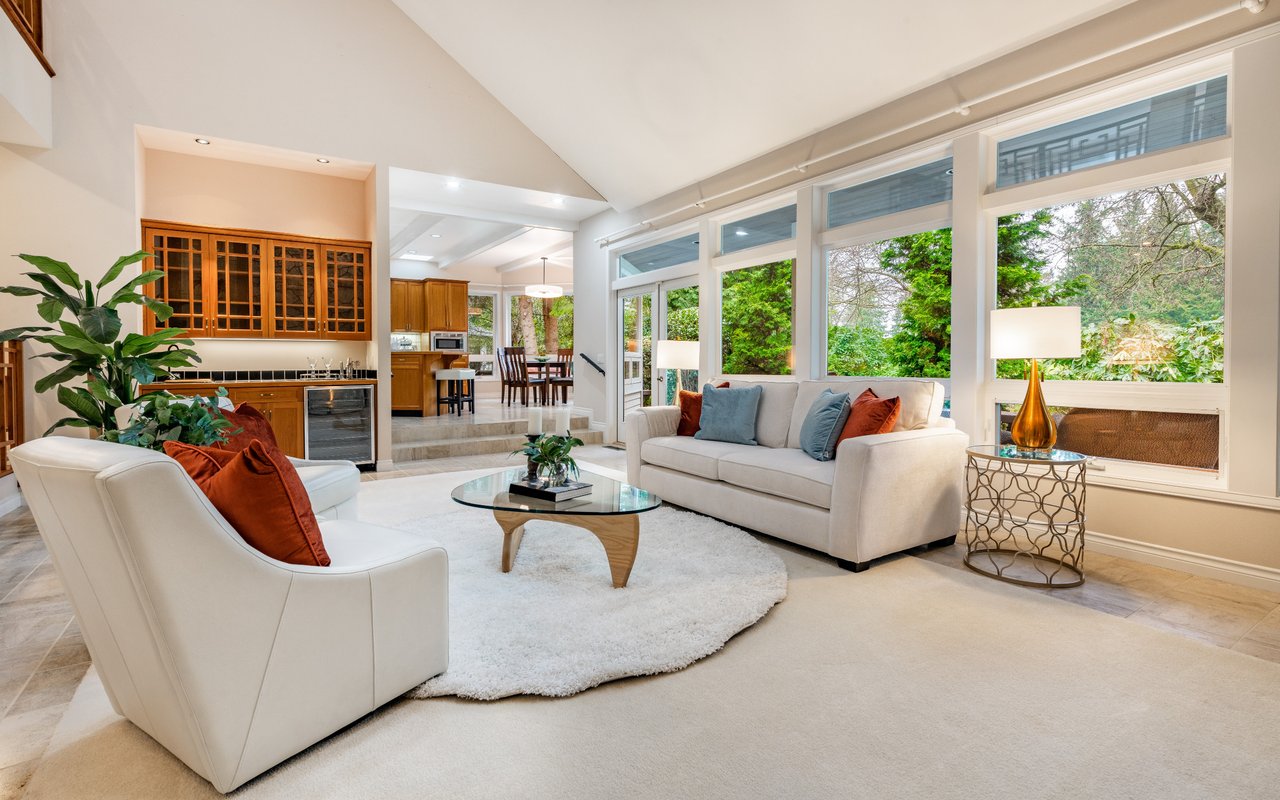
Decluttering is one of the most important steps in preparing to sell your Sea Country home. It helps buyers focus on the space itself rather than your belongings, and it makes rooms look larger, brighter, and easier to understand in listing photos.
Start with surfaces, storage areas, and anything that makes a room feel crowded. Your goal is not to erase personality completely. It is to create a clean, open feeling that helps buyers picture their own life in the home.
This step also helps with your move later. As you sort through closets, cabinets, the garage, and outdoor areas, you can start packing early and cut down on last-minute stress.
Clean Like Buyers Will Notice Everything
They usually do. A whole-home deep clean can make a noticeable difference, especially in kitchens, bathrooms, floors, windows, and baseboards.
If your home has been lived in for years, it may help to look at it as a buyer would. Smudged walls, dusty fans, hard-water marks, and buildup in outdoor entry areas can quietly affect how well the home shows, even if the layout and price are strong.
A clean home also photographs better. Since buyers often form opinions from photos before they ever schedule a showing, this step supports your marketing from day one.
Prioritize Living Room, Kitchen, and Primary Bedroom
If you are wondering where to focus your energy, staging research points to three rooms first: the living room, primary bedroom, and kitchen. Those spaces tend to carry the most visual and emotional weight for buyers.
The 2025 NAR staging report found that 83% of buyers’ agents said staging made it easier for buyers to visualize a property as their future home. The report also noted that the living room, primary bedroom, and dining room were among the most commonly staged areas.
For many Sea Country homes, that does not mean heavy decorating. It usually means creating rooms that feel open, bright, and functional, with simple furniture placement and minimal distractions.
Use Light Cosmetic Updates Wisely
Not every home needs a major renovation before listing. In many cases, small cosmetic updates can do enough to improve presentation without overcomplicating the process.
Consider practical improvements like:
- Fresh paint touch-ups
- Replacing burnt-out bulbs
- Fixing loose hardware
- Repairing minor wall damage
- Refreshing worn caulking
- Tightening up doors, screens, or gates
For a plantation-style Sea Country home, a lighter, cleaner look can help rooms feel more airy and easier to photograph. The goal is to help buyers read the space clearly, not to overdesign it.
Pay Attention to Curb Appeal
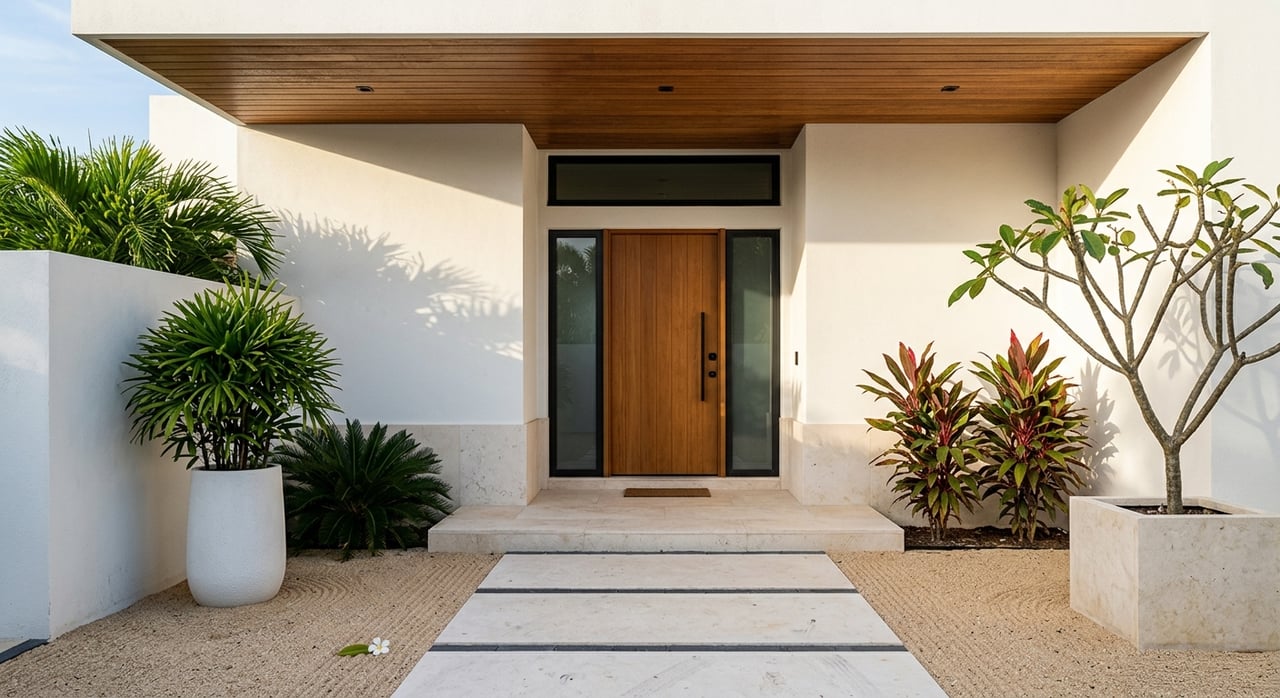
In Sea Country, exterior presentation carries extra weight because of the planned-neighborhood setting. Buyers may notice front entries, landscaping, and common-facing areas right away, so outdoor tidiness should be part of your prep checklist.
That can include clearing walkways, trimming plants, cleaning the porch, touching up paint where needed, and making sure the yard looks maintained. If the association emphasizes exterior standards and the community is Firewise certified, buyers may be especially alert to how well the outside of the property has been cared for.
A clean exterior helps set the tone before a buyer ever walks inside. It tells them the home has been maintained and respected.
Decide Whether Staging Makes Sense
Not every Sea Country listing needs full professional staging. The same NAR report found that many agents do not stage every listing and instead focus on decluttering and correcting property faults.
That said, staging can still be useful in the right situation. If your home is vacant, a small amount of furniture or virtual staging may help buyers understand room size and layout more easily than empty rooms alone.
The median spend on a professional staging service in the 2025 report was $1,500. Whether that investment makes sense depends on your home’s condition, price point, and how much help it needs to stand out in photos and showings.
Prepare the Paperwork Early
In Sea Country, sale prep is not only visual. It is also administrative. Waiting until you are under contract to gather association information can create unnecessary delays.
The association states that homeowners must register, ownership changes must be reported, and registration materials can require proof of ownership, signed owner or tenant forms, and in some cases evidence that dues are current. The 2023 Sea Country newsletter also notes that Hawaiiana handles ownership and financial recordkeeping while residents still register directly with Sea Country.
This means HOA paperwork should be part of your early seller checklist. If your home is in a sub-community with additional AOAO rules, verify those requirements before listing so you are not surprised later.
Build a Seller Checklist
If you are planning to sell in the next 6 to 18 months, a step-by-step checklist can keep the process manageable. A simple pre-listing roadmap might look like this:
6 to 18 Months Before Listing
- Review your long-term timing and moving goals
- Gather HOA and AOAO information
- Identify deferred maintenance
- Confirm whether exterior changes were approved
- Start decluttering storage areas and the garage
1 to 3 Months Before Listing
- Complete minor repairs
- Schedule deep cleaning
- Refresh paint and curb appeal
- Reduce personal items and excess furniture
- Organize documents related to ownership and dues
Just Before Listing
- Finish final touch-ups
- Clean interior and exterior entry points
- Prepare the living room, kitchen, and primary bedroom for photos
- Confirm all needed association paperwork is in order
- Launch with strong photography and a clear pricing strategy
Why the Right Guidance Helps
Preparing a home for sale can feel like a lot, especially when you are balancing repairs, paperwork, pricing, and your next move. Having a local strategy matters because Sea Country has its own rhythm, buyer expectations, and association details.
With the right support, you can decide where to invest, what to skip, and how to present your home in a way that feels polished and realistic for today’s market. That kind of preparation can reduce stress and help you move into the next chapter with more confidence.
If you are thinking about selling your Sea Country home, Tia Perez can help you create a smart, local plan with Aloha, clear communication, and high-touch guidance from prep to closing.
FAQs
What should I do first before selling a Sea Country home?
- Start by reviewing your timeline, checking HOA and any AOAO requirements, and making a list of repairs, decluttering tasks, and paperwork you may need before listing.
Does Sea Country require approval for exterior home changes?
- Yes. The Sea Country association states that property changes must be approved by the Design Review Committee, so sellers should confirm past and planned exterior work early.
How important is pricing a home correctly in Waiʻanae?
- Pricing is very important because buyers are selective, and market data shows that sale-to-list ratios remain close enough to list price that strategy can directly affect demand and results.
Which rooms matter most when preparing a Sea Country home for sale?
- The living room, kitchen, and primary bedroom tend to matter most because staging research shows buyers respond strongly to those spaces in photos and showings.
Do I need to stage my Sea Country home before listing?
- Not always. Many sellers get strong results by decluttering, cleaning, making minor repairs, and using professional photography, though vacant homes may benefit from light or virtual staging.
What paperwork should I gather before selling a Sea Country property?
- Gather ownership records, association information, any required registration materials, and records related to dues or approvals, especially if your property is in Holomoana or Wailana and may have additional AOAO rules.