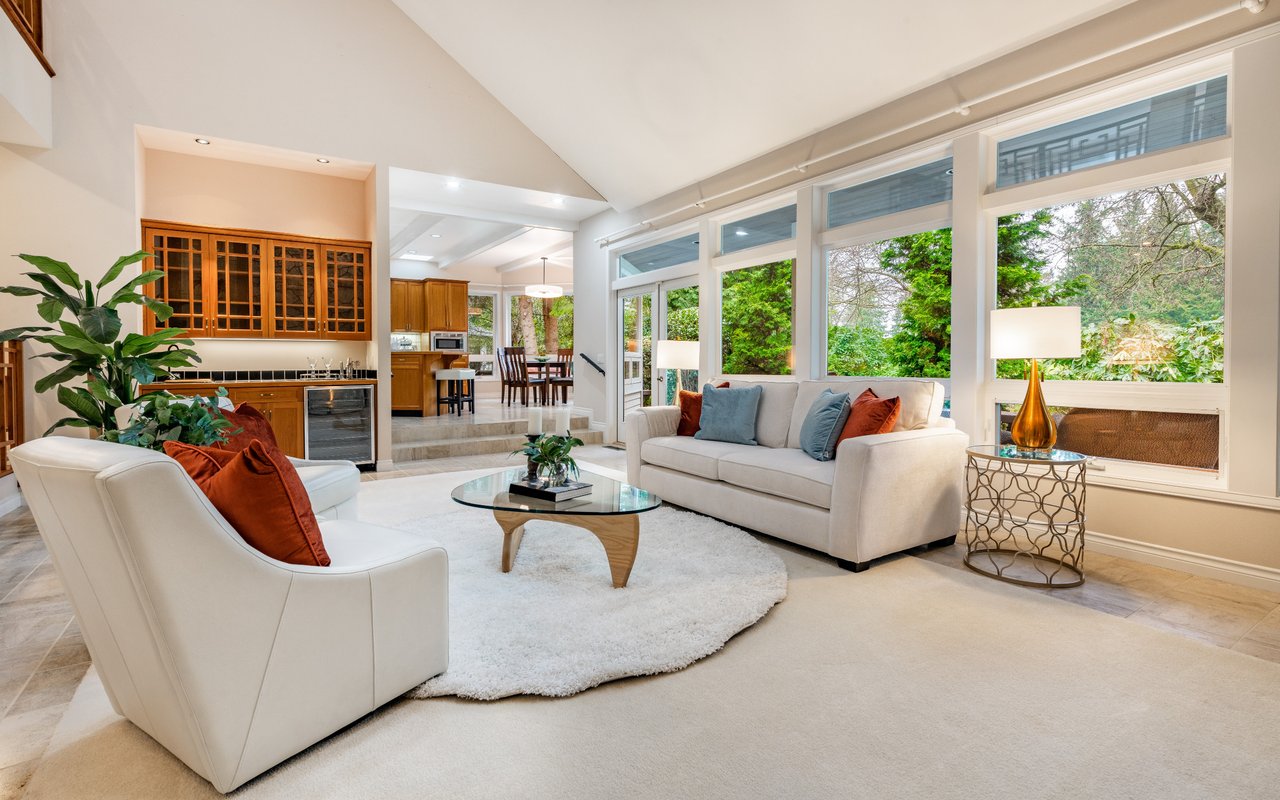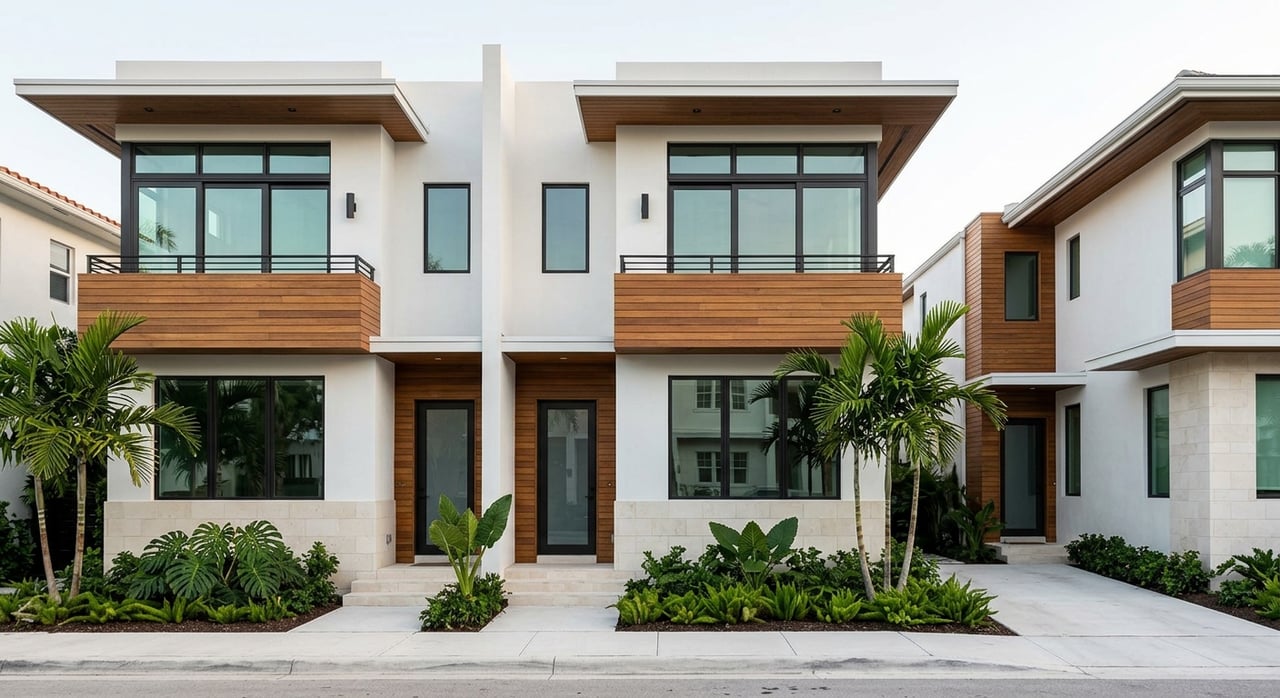
Looking at homes in Ho'opili and wondering whether a townhome or a single-family home makes more sense for your next move? You are not alone. In this fast-growing master-planned community in Kapolei, the choice is not always as simple as attached versus detached. Your budget, parking needs, outdoor space, and comfort with HOA rules can all shape the right fit. This guide will walk you through the real differences so you can compare your options with more clarity. Let’s dive in.
Ho'opili at a Glance
Ho'opili is a large transit-oriented master-planned community in West O'ahu. According to HART and the Ho'opili Community Association, the area is designed around walking, biking, shared green space, and rail access.
A major location advantage is the nearby Honouliuli rail station, also called Station 3. HART lists about 20 minutes to the airport, 32 minutes to downtown, and 36 minutes to Ala Moana, along with park-and-ride spaces, bicycle parking, and a kiss-and-ride setup.
The community association also notes that Ho'opili includes parks, gathering spaces, two rail stops, and commercial space. Current amenities listed by the association include the SoHo Community Center and pool, Jim Schuler Paʻani Park, Konane Park and pavilion, Bark & Ride, and the temporary 4J soccer fields.
Why This Comparison Matters
In Ho'opili, product type and ownership structure can vary more than many buyers expect. You may see condo-style homes, detached condominium homes, and more traditional single-family homes within the same broader community.
That means the better question is not just, “Do I want a townhome or a house?” A smarter question is, “How much space, privacy, parking, and HOA involvement do I want in my day-to-day life?”
Townhomes in Ho'opili
Townhome-style and condo-style options in Ho'opili often appeal to buyers who want a lower price point and a more compact footprint. They can also be a practical choice if you want to stay close to community amenities and rail access.
Two examples in the current Ho'opili product mix are Alana at Ho'opili Pōhaku Estates and Kāpili at Ho'opili Pōhaku Estates. These communities show how attached or condo-style living can still offer useful layout variety.
Alana at Ho'opili
Alana is marketed as a multifamily condominium community with 187 homes. Floor plans include one-, two-, and three-bedroom options.
A current example shows a 2-bedroom home with 846 square feet, a single-car garage, one open stall, and a $513 monthly HOA. Pricing snapshots place Alana in the low-to-mid $500,000 range, with some current plans and listings reaching into the mid-$600,000s.
Kāpili at Ho'opili
Kāpili is another multifamily condominium community in Ho'opili, with 300 homes. Builder materials describe 2- and 3-bedroom layouts, two parking stalls, and many homes with fully fenced private yards.
Current pricing examples begin around $561,300 for an 893-square-foot 2-bedroom plan, with other plans and listings in roughly the $620,000 to $777,000 range. For buyers who want something more affordable than detached housing but still value outdoor space, this is an important category to watch.
Single-Family Homes in Ho'opili
Single-family choices in Ho'opili offer a different kind of flexibility. In general, these homes may better suit buyers who want more privacy, larger interiors, more parking, or room to grow over time.
What surprises many buyers is that detached does not always mean HOA-free. In Ho'opili, you need to confirm the ownership type and monthly dues for each specific property.
'Ahakea at Ho'opili
'Ahakea is described as a mixed-use condominium community, and its first phase includes single-family detached condominium homes. Current plan pages show 2- and 3-bedroom layouts from 880 to 997 square feet, with starting prices around $707,350.
A current 3-bedroom, 919-square-foot listing shows a $143 monthly HOA. That same listing notes HOA services that include maintenance grounds and maintenance structure, which is a helpful reminder that detached homes here can still be part of a condominium or association framework.
Noho Papa
Noho Papa represents the more traditional detached single-family option in Ho'opili. Recent listing snapshots show 3- to 4-bedroom homes ranging from about 1,219 to 1,996 square feet, often with 2-car garages.
Pricing history in the examples reviewed falls around $1.0 million to $1.15 million. One listing shows an $88 monthly HOA, and another highlights an ADU configuration with a separate studio entry, which may offer useful long-term flexibility.
Price Differences to Expect
If budget is your starting point, the gap between attached and detached options in Ho'opili is meaningful. In the current examples reviewed, townhome and condo-style homes cluster in the low-to-mid $500,000 range, while detached homes begin around the low $700,000s and can rise to about $1 million or more depending on size and phase.
That price spread can affect more than your monthly payment. It can also shape how much interior room you get, how many parking spaces are included, and whether features like fenced yards or ADU-style flexibility are realistic within your target range.
HOA Costs and Ownership Structure
One of the biggest takeaways for Ho'opili buyers is that HOA details matter at every price point. The Ho'opili Community Association says the community is organized by subdistricts and governed by a master declaration, bylaws, design rules, and common-area administration.
In practical terms, that means association structure is part of ownership here, not an afterthought. Even if a home is detached, you should still review the legal ownership type, monthly dues, and what those dues cover.
Snapshot of HOA examples
Here is how the examples reviewed compare:
| Community | Home Type | Example HOA |
|---|---|---|
| Alana | Condo-style | $513/month |
| 'Ahakea | Detached condominium | $143/month |
| Noho Papa | Detached single-family example | $88/month |
These are phase-specific snapshots, not universal rules. A different building, phase, or resale listing may look different, so it is worth checking each home carefully.
Parking and Outdoor Space
Parking can be a deciding factor in Ho'opili, especially if your household has more than one vehicle. Attached and condo-style homes may offer practical parking, but the setup is often more compact.
For example, Alana examples include a single-car garage plus one open stall. Kāpili materials emphasize two parking stalls, and many homes also include fully fenced private yards.
Detached options tend to expand those features. 'Ahakea homes are advertised with fully fenced private backyard areas, while Noho Papa homes commonly show 2-car garages and covered lanai space.
Which Option Fits Your Lifestyle?
The best choice often comes down to how you want to live, not just what you want to spend. Ho'opili offers a range of options, so your right fit may depend on whether convenience or flexibility matters more in this season of life.
A townhome may fit you if you want:
- A lower entry price
- A smaller, easier-to-maintain footprint
- Access to community features and rail connectivity
- A layout that prioritizes convenience over maximum interior space
A single-family home may fit you if you want:
- More privacy
- More interior square footage
- More parking capacity
- Outdoor areas with added separation
- Flexibility for future household needs, including some ADU-style possibilities in select products
Questions to Ask Before You Buy
Because Ho'opili includes multiple ownership formats, the details matter. Before you fall in love with a floor plan, make sure you understand exactly what comes with that address.
Ask questions like:
- Is this home condo-style, detached condominium, or traditional single-family?
- What is the monthly HOA fee right now?
- What do the dues cover?
- How many parking stalls are deeded or assigned?
- Is there a fenced yard?
- Are there design rules or approval requirements for exterior changes?
- Does this phase include features like a lanai, garage, or separate-entry flexible space?
The Bottom Line on Ho'opili Homes
Ho'opili gives you more than one path into homeownership in Kapolei. If you want a lower entry point and a simpler footprint, townhome and condo-style options may offer strong value. If you want more privacy, parking, and flexibility, detached homes may be worth the higher price.
The key is to compare each property based on its actual ownership structure, dues, layout, and daily livability. In Ho'opili, attached versus detached is only the start of the conversation.
If you are ready to compare Ho'opili homes with a local strategy and clear guidance, Tia Perez is here to help you explore your options with Aloha, insight, and personalized support.
FAQs
What is the main difference between Ho'opili townhomes and single-family homes?
- Townhome and condo-style homes in Ho'opili usually offer a lower entry price and a smaller footprint, while single-family homes generally offer more privacy, more space, and more parking.
Can a detached Ho'opili home still have an HOA?
- Yes. Current examples in Ho'opili show that some detached homes, including detached condominium homes and traditional detached homes, can still have monthly HOA dues.
Which Ho'opili homes have the lowest monthly HOA dues?
- In the examples reviewed, Noho Papa shows one of the lower monthly HOA snapshots at $88, while 'Ahakea shows $143 and Alana shows $513. These are phase-specific examples and should be verified home by home.
Which Ho'opili communities offer fenced yards?
- Current materials indicate that many Kāpili homes include fully fenced private yards, and 'Ahakea homes are advertised with fully fenced private backyard areas.
How much do Ho'opili townhomes cost compared with detached homes?
- Based on the current examples reviewed, townhome and condo-style homes are generally in the low-to-mid $500,000 range, while detached homes begin around the low $700,000s and can reach about $1 million or more.
How many parking spaces come with Ho'opili homes?
- Parking varies by product. Alana examples show a single-car garage plus one open stall, Kāpili materials highlight two parking stalls, and Noho Papa listings commonly show 2-car garages.