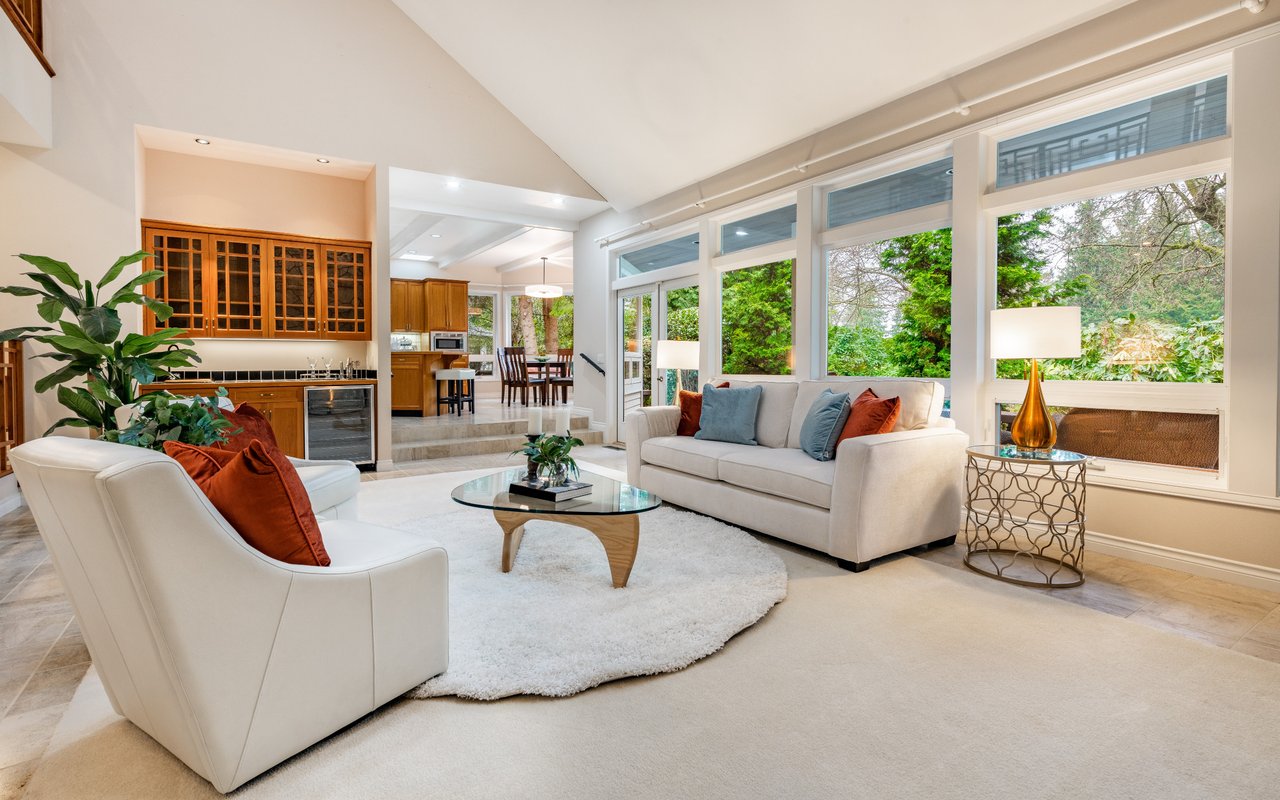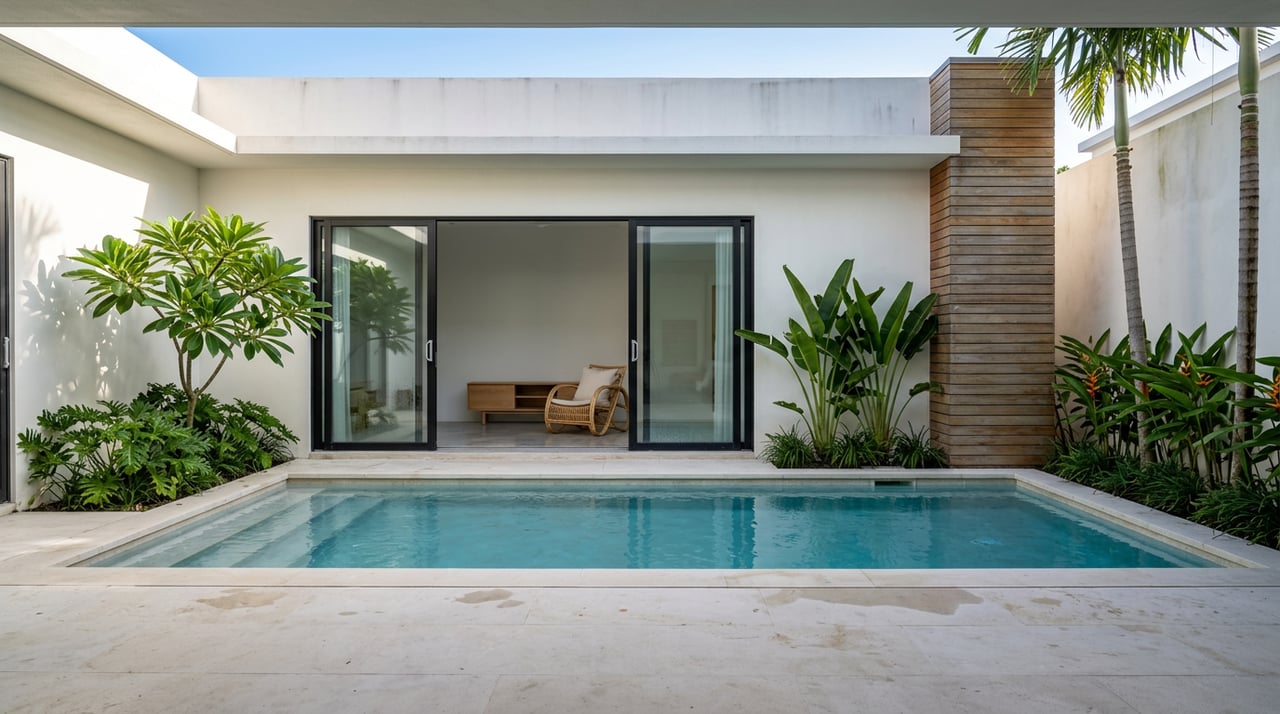
Dreaming of life on the water, morning paddles, and golden-hour views of Koko Head? If Hawaii Kai is on your shortlist, you’re in good company. This East Oʻahu community blends marina access, coastline scenery, and convenient amenities, but buying here also means factoring in coastal upkeep, insurance, and marina rules. In this guide, you’ll learn what you can buy, what it typically costs, how the private marina works, the key coastal checks to run, and a practical checklist to shop with confidence. Let’s dive in.
Hawaii Kai at a glance
Hawaii Kai is a master-planned community on East Oʻahu built around Koko Marina and Maunalua Bay. It includes marina-front neighborhoods, inland valleys, and scenic ridge homes with coastline views. You’ll see a mix of 1960s–1970s originals alongside newer or renovated properties.
Popular subareas include Portlock and Koko Kai along the coast, Koko Head Terrace and Kalama Valley inland, and ridge homes such as Mariners Ridge. Marina townhome and condo communities ring the water, many with direct dock access or shared slips.
What you can buy in 96825
Marina townhomes and condos
Expect 2–4 bedroom townhomes or low-rise condos that front or sit near the marina. Many offer private docks, association-managed slips, or access to shared marina facilities. Most have HOA dues and, if waterfront, a separate marina assessment. Layouts often maximize indoor–outdoor flow for easy paddle or boating days.
Inland single-family homes
Single-level and two-story homes in Hahaione, Koko Head Terrace, and Kalama Valley are common. These homes often have yards, trade-wind exposure, and garage space, with price and value driven by lot size, remodel level, and view corridors.
Oceanfront and luxury estates
Along Portlock and other coastal pockets, you’ll find larger estate lots and luxury builds. These properties command premium pricing due to water frontage, privacy, and design. Permitting, shoreline conditions, and long-term coastal maintenance are important review items for these homes.
Market snapshot and budget planning
When you set expectations, use current data as general indicators rather than exact comps. As of January 31, 2026, one major index reported a typical home value in 96825 around $1,211,842. Another source showed a December 2025 median sale price near $1,146,250. Broader Honolulu snapshots have listed median prices around $999,000. Treat these as neighborhood-level signals and update with live MLS comps for your exact micro-area when you are ready to write an offer.
Illustrative ranges you’ll see in recent Hawaii Kai activity:
- Marina townhomes and condos: roughly low $1M to mid $2M depending on marina position, updates, and whether a dedicated slip is included.
- Interior single-family homes: often mid $900k to $1.8M depending on lot, remodels, and views.
- Portlock and oceanfront estates: from mid $1M fixers to multi-million-dollar properties, with larger waterfront parcels trading at premium levels.
Prices change with inventory, interest rates, and micro-location. Refresh comps right before you offer.
Marina living 101
How the private marina works
Hawaii Kai’s inland marina is a private amenity managed by the Hawaii Kai Marina Community Association (HKMCA). The system spans about 266 acres, includes roughly 12 miles of shoreline, and has an average depth of about 6 feet. HKMCA enforces a Declaration of Protective Provisions and rules for vessel registration, use, and assessments. Before you offer on a waterfront or marina-linked property, review the association’s background and rules to understand use limits and ongoing costs. Learn more on the HKMCA site’s overview of the marina’s scope and governance.
Boat slips: deeded, assigned, or rented
Slip arrangements vary by project. Some slips are deeded to a specific unit or lot, some are assigned by an association, and some are available to rent. Verify whether the sale includes a slip and how it is documented, the slip’s size and draft clearances, and any separate marina patrol or maintenance fees. For rules and vessel registration details, start with HKMCA’s rules and regulations and vessel registration pages.
Coastal risk and permits
Flood zones, tsunami maps, and sea-level rise
FEMA issued preliminary updated flood maps for Honolulu County in March 2025. Because flood zones can change loan requirements and building standards, check the current panels for any home you are considering. See FEMA’s update notice for context on the mapping process here and confirm parcel-level status through the Map Service Center or the State Flood Hazard Assessment Tool.
Hawaiʻi’s Sea Level Rise Viewer recommends planning with about 4 feet of sea-level rise by 2100 for design and policy uses. Under Hawaiʻi law, sellers must disclose if a parcel lies within the Sea Level Rise Exposure Area (SLR-XA). Run the property address through the State’s Sea Level Rise Viewer and review the SLR-XA layer. You can also reference the disclosure statute HRS §508D-15.
For evacuation planning and insurance discussions, consult county and state tsunami inundation resources listed on Hawaiʻi’s climate adaptation portal here.
Seawalls, shoreline work, and SMA
Shoreline hardening in Hawaiʻi is tightly regulated, and Oʻahu applies shoreline setbacks and Special Management Area (SMA) permitting to protect beaches and public trust resources. If a property relies on a seawall or sits near the certified shoreline, verify permit history and agency positions on repairs. Unpermitted or nonconforming structures can trigger costly fixes or limits on future work. For an overview of policies and trends, review this summary on shoreline structures in Hawaiʻi.
Insurance and financing factors
Flood insurance basics
Standard homeowners insurance does not cover flood. If a lender determines the home is in a Special Flood Hazard Area, you will likely need flood insurance through the National Flood Insurance Program (NFIP) or a private provider. Premiums depend on zone, elevation, and home value. Get early quotes and compare options to understand annual costs and coverage terms. You can explore Hawaiʻi flood insurance context and pricing through resources like this Hawaiʻi flood insurance overview.
Wind and hurricane deductibles
In Hawaiʻi, wind or hurricane deductibles are often percentage-based and can be higher than standard deductibles. Ask insurers about named-storm triggers, percentage amounts, and whether wind coverage is included or must be added. For a helpful primer, see the Insurance Information Institute’s guidance on hurricane coverage and deductibles and a Hawaiʻi homeowners overview from Bankrate.
Maintenance and inspections
Coastal upkeep to expect
Salt air and humidity speed up wear on metal, wood, and exterior finishes. Plan for more frequent exterior painting, hardware replacement, dock or deck upkeep, and HVAC maintenance than in many mainland climates. Marine-grade fasteners and coatings help extend life on waterfront elements.
Termites and wood-destroying organisms
Oʻahu has high activity from Formosan subterranean termites. Always include a certified termite or WDO inspection, especially for older or wood-framed homes, and budget for prevention or treatment as needed. The University of Hawaiʻi’s Termite Project offers background on risks and management strategies. Learn more here.
Specialized inspections for waterfront or marina homes
In addition to a standard building inspection, consider a dock, pier, or pile inspection, slip measurement and water depth verification, and a review of shoreline or seawall permit history if applicable. If the lot sits near the certified shoreline or in the SMA, consult county and state records. HKMCA’s rules and regulations are a good starting point for marina-specific items.
Monthly and annual costs to plan for
- HOA or condo dues. Marina townhomes often carry monthly fees that can range from mid-hundreds to low-thousands depending on amenities and reserves.
- Marina assessments. Waterfront owners may pay separate marina assessments administered by HKMCA.
- Slip fees. If your slip is rented or association-managed, treat it as a separate line item. See HKMCA for registration and program details.
- Insurance. Factor homeowners premiums, likely wind or hurricane deductibles, and flood insurance if required or desired. Early quotes help you compare Hawaiʻi coverage options and flood policy pricing.
- Maintenance. Allow a healthy annual set-aside for exterior paint, dock or deck care, metal corrosion treatment, and termite prevention.
Actual numbers vary by property, building system, and association health, so verify project financials and recent assessments before you offer.
Buyer checklist for Hawaii Kai
- Map the risk profile.
- Run the address in the State’s Sea Level Rise Viewer and confirm if it lies in the SLR-XA.
- Check the latest FEMA panels and the State Flood Hazard Assessment Tool to see if the home is in a Special Flood Hazard Area. Start with FEMA’s Honolulu County map update notice and the State tool at hawaiinfip.
- Review HOA and marina documents.
- Request CC&Rs, recent reserve studies, and any special assessment history. Confirm whether a slip is deeded or association-controlled and review HKMCA rules.
- Order targeted inspections.
- Schedule general, termite/WDO, and waterfront-specific inspections. If shoreline work or a seawall exists, verify permit history with county and state.
- Pre-quote insurance.
- Get homeowners, wind or hurricane, and flood quotes early. Ask about named-storm triggers and percentage deductibles. See Bankrate’s Hawaiʻi overview for common terms.
- Update neighborhood comps.
- Compare marina-front vs inland vs ridge sales separately. Refresh with the most recent MLS data right before you write your offer.
Work with a local guide you trust
Buying in Hawaii Kai is equal parts lifestyle and due diligence. You deserve a partner who understands marina rules, coastal permitting, and how to align the right home with your budget and goals. As a REALTOR® with Military Relocation Professional (MRP), GREEN, At Home With Diversity (AHWD), and Luxury Home certifications, I blend warm, ohana-centered service with clear, step-by-step guidance for moves of every size.
If you are weighing marina-front convenience, ridge-top views, or a quiet inland street, let’s talk through the trade-offs and craft a plan that fits your life. Reach out to Tia Perez to start your Hawaii Kai home search with a calm, expert approach.
FAQs
What should first-time Hawaii Kai buyers know about flood zones?
- Check the latest FEMA panels and the State Flood Hazard Assessment Tool to see if the property sits in a Special Flood Hazard Area, which can affect loan and insurance needs.
How do boat slips work for Hawaii Kai marina townhomes?
- Slips can be deeded, association-assigned, or rented; confirm what conveys with the sale, review HKMCA rules, and verify slip size and draft clearances.
Do I need flood insurance for a Hawaii Kai home near the marina?
- If a lender finds the home in an SFHA, flood insurance is typically required; even outside, many waterfront buyers choose coverage after comparing NFIP and private quotes.
What coastal maintenance should I budget for in Hawaii Kai?
- Plan for more frequent exterior paint, corrosion control on metal, dock or deck upkeep, and termite prevention or treatment as advised by inspections.
Are seawalls or shoreline repairs straightforward in Honolulu?
- Shoreline work is highly regulated; always verify permits and agency positions because unpermitted or nonconforming structures can limit future repairs and add cost.